
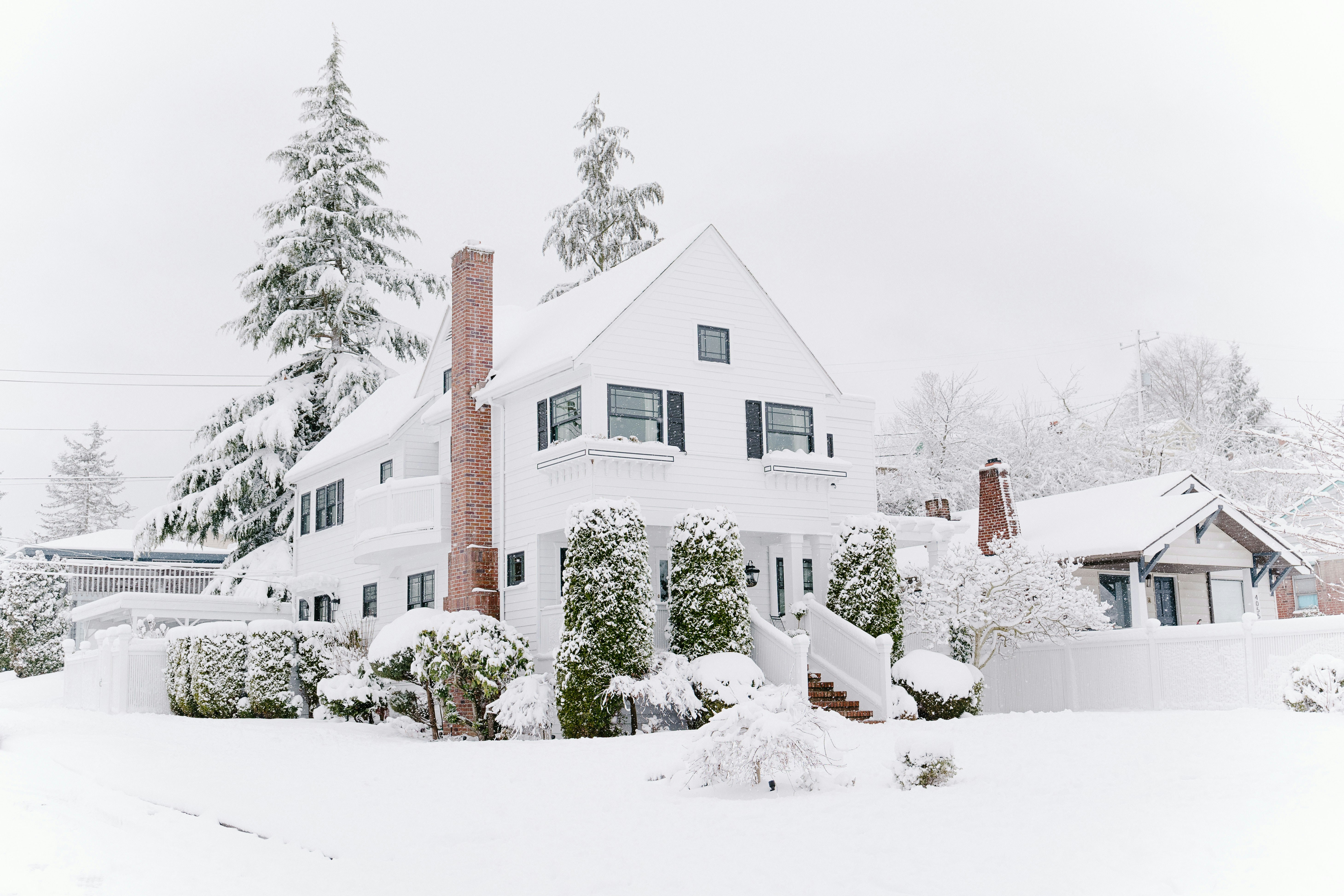
❄️ The Winter Inspection Checklist: What Snow and Ice Reveal About an Iowa Home
In the Iowa real estate market, buying a home in the colder months has distinct advantages, like less competition and more motivated sellers. But when the snow flies, your due diligence needs a specific focus. Winter transforms a routine home inspection into a real-time stress test, making it the perfect time to uncover problems that summer heat conceals.
Here is your essential winter inspection checklist for buying a home in Iowa, focusing on the systems that battle the harsh Midwest cold.
1. The Furnace: The Heart of a Cold-Climate Home
In Iowa, the heating system is non-negotiable—it's a matter of safety and comfort. Winter is the only season you can truly test its performance.
Test Capacity and Consistency: Turn the thermostat up significantly and let the system run. Does it quickly reach the target temperature? Listen for unusual noises like loud banging, persistent rattling, or squealing, which often signal serious mechanical issues.
Check the Airflow: Check vents and registers in every room. Are they blowing warm air evenly, or are some rooms significantly colder than others? Uneven heating can point to ductwork issues or uneven insulation.
Inspect the Condensate Drain: High-efficiency furnaces produce condensation. A clogged drain line can lead to water backup, tripping the system's safety shutoff and causing a complete failure in the middle of a cold snap.
Ask for Maintenance Records: A well-maintained furnace should have a recent service receipt from an HVAC professional (ideally from the last 12 months). A clean, new filter is a good sign the sellers have been proactive.
2. Drafts, Insulation, and Energy Efficiency
Energy costs are a major factor in Iowa. A winter inspection allows you to easily pinpoint where heat is escaping and money is being wasted.
The Draft Test: Hold a lit stick of incense or a tissue near exterior-facing windows, doors, and electrical outlets. If the smoke or tissue moves, you have an air leak. Severe drafts can be a red flag for needed window replacement, which is a major expense.
Attic Insulation: The attic is the home's thermal hat. Inspecting the attic in cold weather is key. Look for:
Inadequate Coverage: Is the insulation at the proper R-value for Iowa, or can you easily see the ceiling joists?
Moisture/Frost: Any frost, moisture, or dark staining on the underside of the roof deck or rafters can indicate warm, moist air is leaking from the living space into the attic, a major cause of ice dams.
Exterior Vents and Penetrations: Check around dryer vents, plumbing stacks, and cable/wire entries for gaps that are letting cold air—or pests—into the house.
3. Basement and Foundation Drainage
While heavy snow can obscure the view of the foundation, the process of melting and refreezing is often the best indicator of future water problems.
Ice Dams and Eaves: Look for large buildups of ice along the roof eaves. Ice dams are caused by poor attic insulation/ventilation. When they melt, water often pools and leaks behind the shingles, leading to significant interior damage.
Gutter Health: Snow and ice make it easy to spot clogged gutters. If the gutters are packed with ice, it means they were likely full of debris before the first freeze. Clogged gutters can divert water right down your exterior walls and into the basement.
The Soil Grade: Even with snow cover, observe the grade of the soil around the foundation. Does the ground slope away from the house, or does it seem flat or sloping toward the structure? Poor grading will direct spring thaw directly into the basement.
Basement/Sump Pump: Check the basement walls for efflorescence (white, powdery mineral deposits), which is a sign of past moisture intrusion. Ensure the sump pump is accessible and ask about its recent performance—it will work overtime when the snow melts.
Buying a home in an Iowa winter is a smart move that gives you a critical, cold-weather perspective. By focusing your inspection on the home's ability to withstand the harsh elements, you complete your due diligence and gain confidence in the quality of your investment.
Ready to find a home that stands up to the Hawkeye State's winters? Contact a knowledgeable local agent today!