
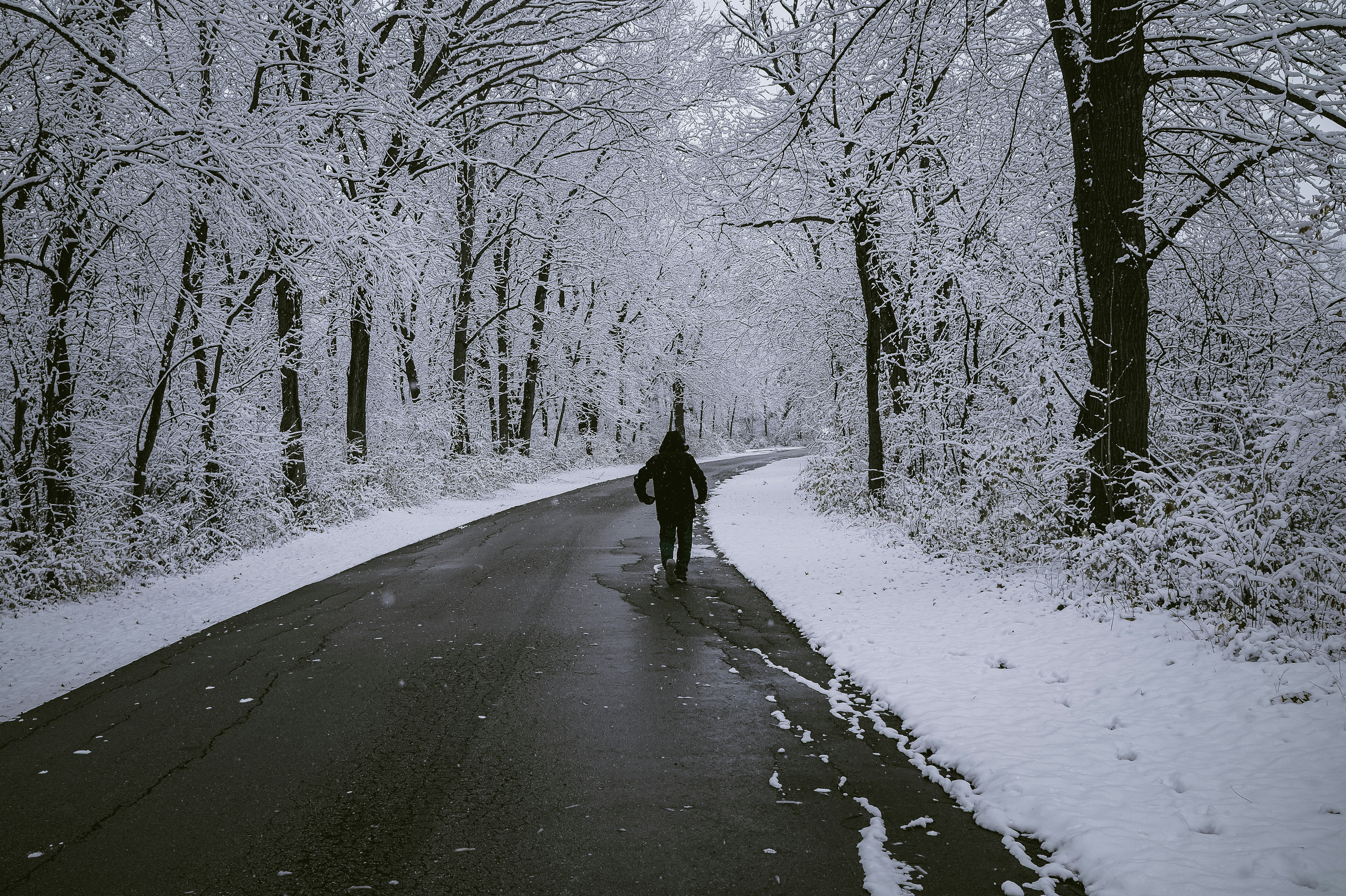
When a blizzard rolls through the Missouri Valley—whether it's dumping a foot of snow on Harrison County or bringing those fierce Loess Hills winds—the real work often starts after the sky clears.
In Iowa, we’re no strangers to "the big dig," but recovery isn't just about shoveling the driveway. It’s about protecting your home from the unique structural threats that follow a Midwestern winter storm. Here is your post-blizzard checklist to ensure your home stays safe, dry, and compliant with local rules.
1. The Clock is Ticking: Clear Your Sidewalks
In many Iowa communities, including nearby Iowa City and Omaha-metro areas, there are strict ordinances for snow removal.
The 24-Hour Rule: Generally, you have 24 hours after the snow stops to clear your public sidewalks.
Clear the Full Width: Don't just shovel a narrow goat path; city codes often require clearing the full width of the concrete to ensure accessibility for strollers and wheelchairs.
Avoid the Street: It’s tempting to push that pile into the road, but in Missouri Valley and surrounding areas, it is often illegal to move snow from your property onto the public right-of-way.
2. Check Your Vents (The Most Important Safety Step)
This is a critical safety check that many homeowners overlook. If you have a high-efficiency furnace or a water heater that vents through the side of your house, drifting snow can block these pipes.
The Risk: A blocked exhaust vent can cause carbon monoxide to back up into your home.
The Fix: Locate your PVC intake and exhaust pipes outside and ensure they are clear of snow. While you’re at it, make sure your gas meter isn’t buried under a heavy drift, as pressure regulators need to breathe.
3. Inspect for "Ice Dams" and Roof Stress
The Missouri Valley is prone to rapid temperature swings. When snow on the roof melts but freezes again at the cold eaves, it creates an ice dam.
Look for: Massive icicles or water staining on your interior ceilings.
Safe Removal: If you see heavy accumulation, use a roof rake while standing safely on the ground. Never climb onto a snowy roof yourself. If you already have a leak, call a local pro who uses steam to melt ice rather than a hammer, which can shatter shingles.
4. Protect Your Plumbing
After the wind dies down, the "deep freeze" often sets in.
The Drip: If the temperature is projected to stay below zero, keep a very thin trickle of water running from the faucet furthest from your water main.
Open the Cabinets: Let warm air circulate around pipes under sinks that are located against exterior walls.
Check for Leaks: As things begin to thaw, walk your basement and crawl spaces. If you notice a drop in water pressure or unusual dampness, you may have a burst pipe that was frozen during the storm.
5. Assess the Landscape
The heavy, wet snow common in the Missouri River valley can wreak havoc on trees.
Check the Canopy: Look for "widow-makers"—broken branches hanging precariously over your roof or driveway.
Power Lines: If a branch is touching a power line, do not touch it. Call MidAmerican Energy or your local utility provider immediately.
Pro Tip: If you discover damage to your siding or roof, document it immediately with photos before you start clearing the snow. Iowa insurance adjusters will need that "as-is" evidence to process your claim faster.