
Thinking about building your dream home in Western Iowa? The allure of buying a beautiful, raw piece of acreage where you can escape the city, stretch out, and build exactly what you want is undeniable. But as experts in rural Iowa acreage and land auctions, we often see buyers fall into a common financial trap: focusing solely on the purchase price of the dirt while completely overlooking the utility infrastructure.
When you purchase raw land, getting clean water to your future tap is entirely on you. If a parcel doesn't have water infrastructure, you have to drill a private well—and in Western Iowa, that process can quickly become an unpredictable budget buster.
Here is why drilling a private well can be one of the biggest hidden costs of buying rural land, and how finding a parcel with a pre-installed community well hookup changes the game.
1. The Financial Wildcard: Drilling by the Foot
When you hire a certified well driller, you don't pay a flat fee; you pay by the foot.
The primary cost driver is depth.
2. Geological Hurdles and Equipment Costs
Our beautiful rolling landscape, particularly around the Loess Hills region, features highly unique soil and geological structures. Drilling through varying layers of dense clay or shifting sand requires specialized equipment and proper casing to prevent well collapse.
Casing & Pumps: A properly constructed well requires hundreds of feet of heavy-duty casing (PVC or steel) to protect your water supply.
Once the hole is drilled, you still have to purchase and install a submersible pump, a pressurized storage tank, and run electrical lines to hook the system up to your home. These essential components alone can easily tack on an extra $3,000 to $6,000 to your total bill.
3. The Red Tape: Permits and Mandatory Testing
You cannot simply dig a hole and call it a day. The Iowa Department of Natural Resources (DNR) strictly regulates water supply wells.
Before a drill ever touches your soil, you must apply for and secure a Private Well Construction Permit through your local county health department.
Once the well is completed, you are legally and financially responsible for professional water quality testing.
You must run panels to verify the water is completely free of harmful bacteria, nitrates, and local contaminants before it is deemed safe for your family to consume. If the tests fail, you face the ongoing, lifetime expense of installing and maintaining a heavy-duty home water purification system.
The Community Well Advantage: Saving Thousands Upfront
This financial volatility is exactly why savvy land buyers actively look for lots within established rural subdivisions that feature a community well system.
When a neighborhood has shared community wells, the hardest, most expensive work is already done. Instead of gambling thousands of dollars on drilling depth, permits, and pump installations, you simply pay a small connection fee to hook into a stable, pre-tested, shared water infrastructure. It removes the stress from your build timeline and keeps your hard-earned money right where it belongs: in the budget for your actual home construction.
Ready to Build Without the Headache?
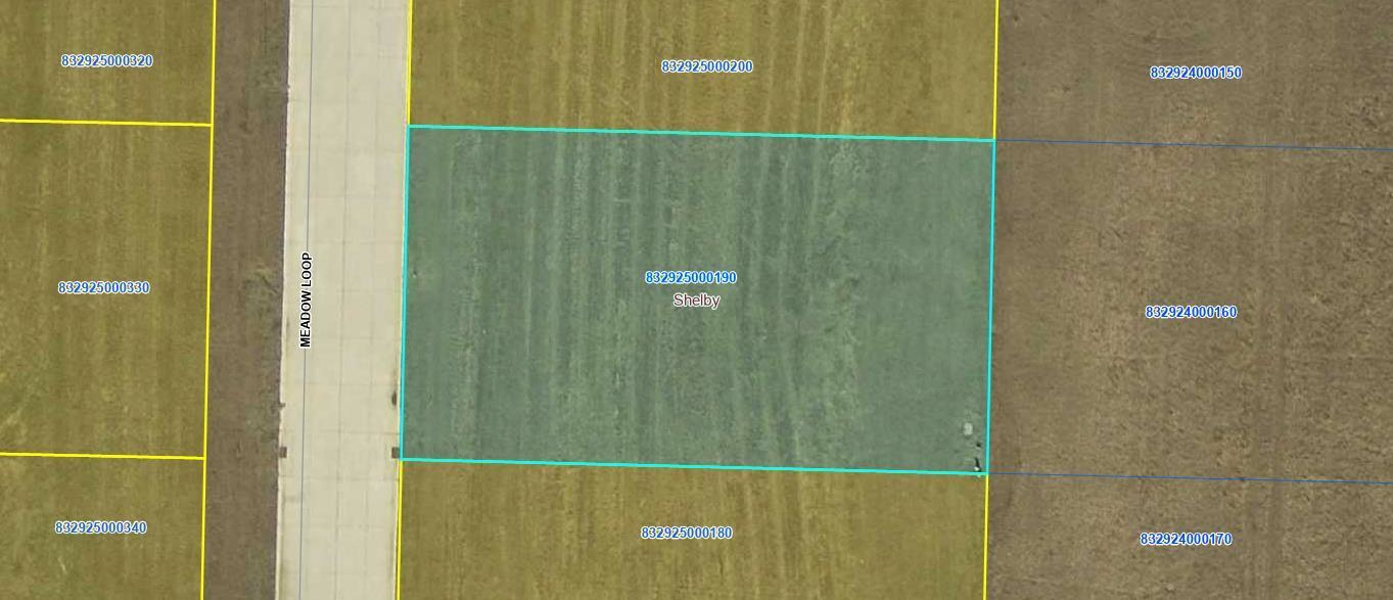
If you are looking for the perfect canvas for your custom build, we have a premium 1-acre lot available right now in the Logan Missouri Valley Country Club Estates.
Situated right on the northern edge of the gorgeous 9-hole golf course, this property features no builder attachments and completely eliminates your well-drilling worries. Infrastructure is already in place to seamlessly connect to the established community wells for a minimal fee. You get the peace and quiet of rural Harrison County, the beauty of the Loess Hills area, and an easy 30-minute commute to the Omaha Metro area—without the hidden infrastructure costs.
Contact Loess Hills Realty & Auction today to learn more about this build-ready parcel or to explore our current land listings and upcoming auctions!