
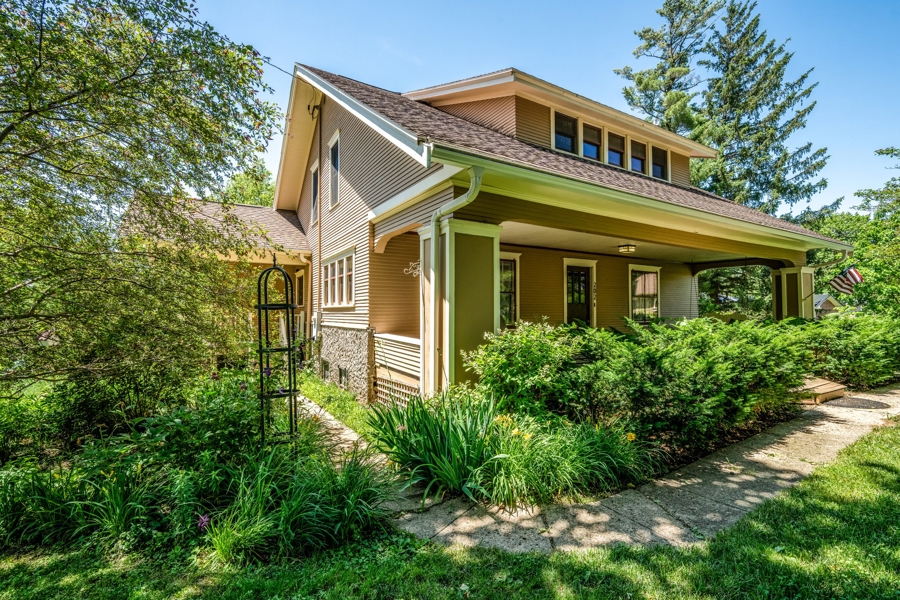
There is an unmistakable magic in older homes. From hand-carved millwork and built-in buffets to soaring ceilings and rich hardwood floors, historic architecture carries a depth of craftsmanship that modern construction rarely replicates. Yet, living in a vintage home can sometimes mean wrestling with drafty rooms, outdated electrical systems, cramped kitchens, or rigid floor plans that do not quite suit 21st-century daily life.
The ultimate goal when updating a historic property isn't to turn it into a sterile, brand-new build—it’s to introduce modern comfort and utility while preserving the soul of the original design. Here is how to strike that perfect balance between yesterday's charm and today's convenience.
Preserve the Details, Modernize the Surfaces
When updating high-traffic spaces like kitchens and bathrooms, avoid overly trendy, contemporary finishes that clash with original architectural elements. Instead, choose materials that feel historically appropriate while offering modern durability and luxury.
Natural Stone with Timeless Appeal: Swap out tired laminates or delicate materials for soapstone, honed marble, or granite. Soapstone, in particular, is a classic favorite in historic homes—it provides an organic, matte finish that develops a gorgeous patina over time while resisting heat and stains effortlessly.
Period-Accurate Fixtures: Pair custom, inset cabinetry with classic hardware like oil-rubbed bronze, unlacquered brass, or glass knobs. Farmhouse apron-front sinks and bridge faucets add modern functionality while honoring a vintage aesthetic.
Seamless Trim Integration: When adding new cabinetry, shelving, or wall treatments, match the profiles of existing crown molding, baseboards, or wainscoting. Continuing these woodwork details keeps the home's visual narrative cohesive.
Hide the Modern Utilities Behind the Scenes
Upgrading behind-the-scenes mechanicals is essential for safety, energy efficiency, and modern living standards, but these improvements shouldn't compromise your home’s character.
Electrical and Mechanical Systems: Upgrading electrical panels, replacing knob-and-tube wiring, and retrofitting plumbing are non-negotiables for modern comfort. Conceal new wiring inside existing wall cavities, and use period-style switch plates (such as push-button switches with brass faceplates) to maintain the vintage vibe.
Smart Climate Control: Keep ductwork hidden by exploring high-efficiency mini-split systems or high-velocity HVAC systems that run flexible, small ducts through walls without dropping ceilings or cutting into original plasterwork.
Insulation and Windows: Rather than replacing original wood windows—which often feature wavy historic glass—restore them with weatherstripping and add high-quality storm windows. This preserves original craftsmanship while drastically improving energy efficiency.
Adapt the Layout for Modern Living (Without Gutting the Character)
Historic homes often feature segmented, compartmentalized rooms. While open-concept living is popular, knocking down every wall in an old home strips away its cozy charm and architectural integrity. Instead, aim for "thoughtfully connected" spaces.
Frame the Openings: If you are widening doorways between a kitchen, dining room, or family room, use architectural features to define each zone. Incorporating colonnades, cased openings, or custom built-ins maintains defined room boundaries while allowing light and sightlines to flow naturally.
Repurpose Flex Spaces: Instead of removing small, original rooms (like main-floor dens, pantries, or enclosed porches), adapt them for modern use. A small parlor can become a dedicated home office, a main-floor corner room can serve as a guest bedroom, and an upper loft can transform into a cozy media nook or second-floor laundry room.
Honoring the Past While Living in the Present
Upgrading a vintage home is a delicate art, but when done with care, the result is a one-of-a-kind sanctuary. By investing in behind-the-wall mechanicals, choosing classic material upgrades like soapstone and period-appropriate millwork, and respecting the original floor plan, you ensure your home retains its rich story while delivering every modern comfort your lifestyle demands.