
Buying Your First Iowa Acreage? 5 Hidden Costs to Budget For
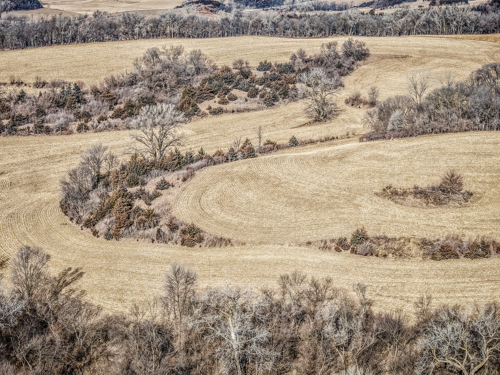
Trading city subdivision living for a slice of the rolling Loess Hills is an incredible feeling. You exchange the constant hum of traffic for open skylacks, stunning sunsets, and enough room to actually breathe.
But for many buyers moving out of Omaha, Des Moines, or nearby cities, a rural property comes with a completely unfamiliar set of mechanics. In the city, your monthly utility bills cover the magic infrastructure that keeps your water running, sewage disappearing, and streets clear. On an acreage, you are the utility company.
Before you fall in love with a piece of land, make sure your budget accounts for these five hidden practical realities of country living that city slickers often overlook.
1. Propane Tank Leases and "Pre-Buys"
Most city homes run on natural gas piped in by a massive utility company. Rural acreages, however, almost exclusively rely on liquid propane (LP) to heat the home.
The Hidden Cost: When you buy the property, you have to find out if the underground or above-ground LP tank is owned by the homeowner or leased from a local cooperative. If it’s leased, you will inherit an annual tank rental fee.
The Reality Check: You can't just pay for heat month-to-month as you use it. Most rural homeowners do an LP "pre-buy" in the summer or early fall, paying for hundreds of gallons upfront to lock in a lower winter rate. Filling a tank can cost $1,000 to $2,000 in a single shot.
2. Private Well Testing and Maintenance
City water is treated and monitored automatically. When you switch to a private well, ensuring the safety of your drinking water is entirely up to you.
The Hidden Cost: While Iowa requires a water test when a property changes hands, Iowa State University and the DNR recommend testing your well water annually for bacteria, nitrates, and arsenic.
The Good News: Iowa actually has a unique program called the Private Well Grants Program.
Administered through your local county environmental health department, you can often get your annual water testing done at little to no cost. However, if the well pump fails or the casing cracks, a replacement pump can easily run $2,000 to $5,000 out of your own pocket.
3. Septic System Maintenance and Pumping
On city sewer, you flush and forget. On an acreage, everything goes to an underground septic tank right in your yard, which relies on a balance of bacteria to break down waste before the liquid flows into a lateral "leach field."
The Hidden Cost: Tanks must be physically pumped out by a professional every 3 to 5 years to remove accumulated solids. A routine pump-out generally costs a few hundred dollars.
The Reality Check: Iowa has a strict Time of Transfer (ToT) inspection law.
Before a property can be sold, the septic system must be inspected by a DNR-certified professional. If the system is found to be failing or unpermitted, replacing a full septic system can cost anywhere from $8,000 to $20,000. Always make sure this inspection is completely finalized before closing!
4. Heavy-Duty Snow Removal Gear
In the city, a heavy snowstorm means waiting a few hours for the city plow to clear your street, and maybe spending 20 minutes clearing your driveway with a basic plastic shovel. On an acreage, you might have a gravel driveway that is a quarter-mile long.
The Hidden Cost: You cannot shovel a 300-foot driveway by hand. You will need to invest in heavy-duty snow removal equipment.
The Reality Check: Budgeting for a high-end, two-stage snowblower is the bare minimum. Many acreage owners find they eventually need a compact tractor or a side-by-side utility vehicle equipped with a plow attachment to efficiently clear drifting snow from their property.
5. Gravel Driveway Upkeep
Speaking of that long, scenic driveway—gravel does not stay perfectly graded forever.
The Hidden Cost: Hard Iowa rains, winter plowing, and heavy delivery trucks will slowly erode your driveway, creating massive potholes and washing gravel into the ditches.
The Reality Check: Every few years, you will need to pay a local dump truck service to drop a couple of loads of crushed limestone or gravel, and potentially hire someone with a tractor blade to regrade the surface.
The Expert Takeaway: Don't let these items scare you away from buying an acreage! The peace, privacy, and freedom of owning country land are worth every penny. The key is simply going into the process with your eyes open so these operational costs are planned budget items rather than stressful surprises.