
❄️ Winter Prep: 5 Must-Do Home Maintenance Checks Before Listing Your Iowa Home
Listing a home can be challenging at any time of year, but doing so during the transition into an Iowa winter requires extra care. As a seller, your goal is to present a move-in-ready, worry-free property. Ignoring basic winter maintenance can lead to unexpected repairs, poor home showings (no one likes a drafty house!), and increased utility bills.
Before you put that "For Sale" sign in the yard, here are five crucial maintenance checks you must complete to protect your home's value and appeal to serious winter buyers.
1. Furnace Inspection and Servicing
The absolute first priority for a winter listing is a fully functional and reliable heating system. Buyers inspecting a home in frigid weather will immediately zero in on the furnace.
The Professional Tune-Up: Hire a licensed HVAC professional to perform a preventative maintenance check. They will clean the unit, check all electrical components, lubricate moving parts, and verify that the system is running safely and efficiently. This prevents a potential mid-winter breakdown—which is the last thing a seller or a new owner wants.
Change the Filter: Replace the air filter with a new, high-quality one. A clean filter improves efficiency, lowers utility costs, and signals to the buyer that the home has been well-maintained.
Document Everything: Keep the service receipt in a readily available binder for prospective buyers. This documentation proves the system is current on maintenance and can provide great peace of mind.
2. Seal Windows and Doors Against Drafts
A major concern for buyers in a climate like Iowa’s is energy efficiency. Drafty windows and doors not only make the home uncomfortable during a showing but also inflate utility costs—a major red flag.
Check for Air Leaks: On a breezy day, hold a lit incense stick or a thin piece of tissue paper near the edges of windows and doors to detect air movement.
Weatherstripping: Replace worn-out weatherstripping around doors and sashes. This is a low-cost, high-impact fix that immediately stops drafts.
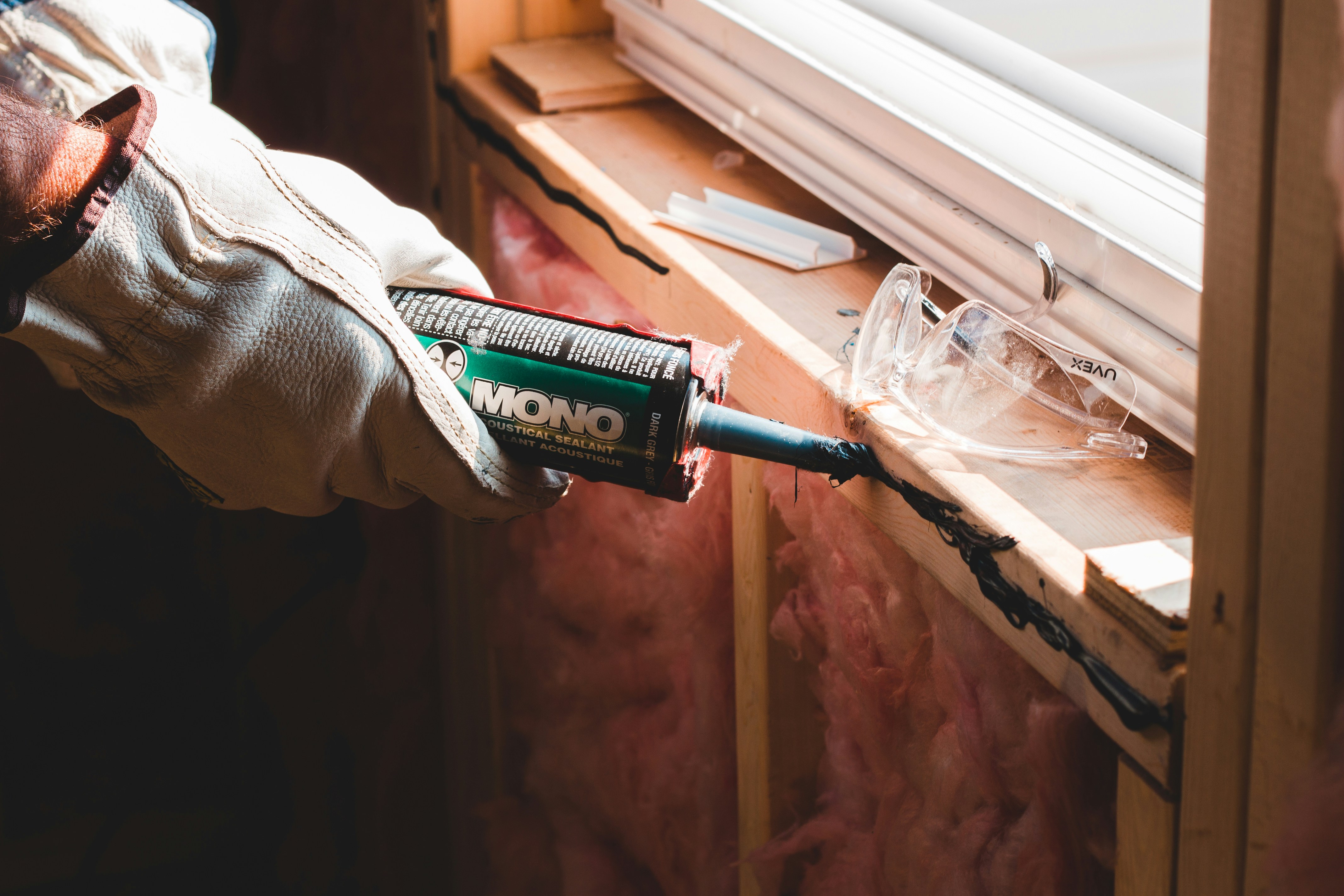
Caulking: Inspect the exterior caulking around all window and door frames. If it's cracked, peeling, or missing, remove the old caulk and apply a fresh bead of exterior-grade sealant. This protects the home from moisture intrusion and improves energy performance.
Address Visible Damage: Ensure all window panes are intact and latches are working properly.
3. Clear and Clean Gutters Before Freezing
Ignoring your gutters in the late fall is asking for trouble when the first hard freeze hits. Clogged gutters can lead to costly and visible damage.
Remove Debris: Thoroughly clear leaves, twigs, and debris from all gutters and downspouts. Water needs a clear path to drain away from the foundation.
Check the Slope: Ensure the gutters are properly sloped toward the downspouts. Pooling water will freeze, leading to heavy ice dams that can damage your roof shingles and gutter structure.
Extend Downspouts: Make sure the downspouts extend several feet away from the foundation to prevent water from soaking the soil around the basement walls, which could lead to foundation issues or basement leaks when the ground freezes and thaws.
4. Protect Exterior Pipes and Faucets from Freezing
Frozen or burst pipes are a homeowner's nightmare and are particularly common in the extreme cold of an Iowa winter. Taking steps now will prevent a catastrophic—and uninsurable—burst while the home is on the market.
Disconnect Hoses: Remove all garden hoses from exterior spigots and store them away for the season.
Shut Off Water Supply: Locate the interior shut-off valve for exterior faucets and turn the water off. Open the exterior spigot to drain any remaining water from the line.
Insulate Exposed Pipes: If you have any exposed water lines in unheated areas (like crawl spaces, garages, or basements), wrap them with pipe insulation (foam or fiberglass) or heat tape. Even a thin layer of protection can make a huge difference.
5. Consider a Pre-Listing Energy Audit
While not strictly required, investing in a professional energy audit provides immense value and confidence to a buyer in a cold climate.
What It Is: An auditor will use tools like a blower door test and infrared cameras to pinpoint where your home is losing the most heat.
The Benefit to Listing: This audit gives you a clear, documented path to make small, high-impact fixes (like adding insulation to a specific area or sealing a difficult-to-find air leak). More importantly, you can use the resulting report in your listing materials to show buyers you have a proactive, energy-efficient home, which can offset their concerns about high winter heating bills.
Show Your Work: Even if you only address a few issues found in the audit, presenting the report and the improvements you made signals transparency and good faith to potential buyers.
By completing these five essential winter preparations, you not only protect your investment from seasonal damage but also significantly increase your home's appeal to the motivated buyers actively searching the Iowa market this time of year.